2026 LA Growth Drivers: Today’s (and Tomorrow’s) Job and Career Openings
September 1, 2026

The 7th Annual Future of Work Conference, presented by the Economic and Workforce Development Division at Pasadena City College (PCC EWD), was definitely unique, as it explored the themes of resilience and recovery through the lens of LA’s recent wildfires. Speakers from local and regional government, higher education, and community services shared their experiences of those difficult days. Attendees heard how these entities came together in response to the fires, and had the opportunity to ask questions about next steps toward full recovery. Throughout the day, the conversation revolved around the trajectory of higher education in light of these types of threats, the realities of local communities, and possible occupational opportunities arising – literally – from the ashes.
This edition of the Pulse covers the conversation between City of Pasadena Mayor Victor Gordo and Dr. Salvatrice Cummo, PCC Vice President, EWD, both of whom were on the front lines of the response effort when the Eaton fire overtook their neighboring community.
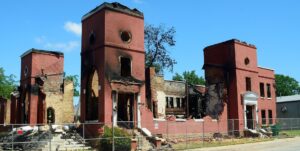
Mayor Gordo started the conversation by stating the obvious: January 7th, 2025, ‘was a PTSD-triggering kind of a day,’ as the fires erupted, then exploded across the Eaton community. Located just a few miles from the PCC campus, the Eaton Fire eventually consumed over 14,000 acres over the course of 24 days, and destroyed over 9,400 buildings. The Mayor was especially impressed and appreciative of PCC: “[The school] opened up a disaster center immediately, giving people a place to deliver their contributions of food, clothing, and other necessities.” He was also impressed by the systems that came together quickly in response to the conflagration: “Evacuations, temporary housing, medical care, and other essential services were open and available within 45 minutes of the announcement,” he noted, indicating the value and comprehensiveness of preparedness planning was paying off better than anticipated. Not only were the formal plans launched quickly, but the citizen response was equally impressive and perhaps enhanced because there were systems in place on the ground to receive those assets.
VP Cummo was also impressed by what she witnessed that day. As various support groups appeared on campus with resources to share, she was struck by the innately coordinated response of the official entities. “This was the first time that the school had to engage in these processes, so it was really impressive how smoothly our preparations met up with those of the official organizations.” Gordo was particularly pleased by PCC’s generosity with all of its assets. The Rose Bowl facility, for example, was designated as a staging/coordination area, while campus locations were used for other fire-related needs and purposes. Throughout that month, the PCC campus provided a central staging point for many of the disaster response activities.
As memories of the actual fires fade, their aftermath is revealing new opportunities to collaborate and learn:
Together, the City and PCC agreed that, as a partnership, they can enhance the regional economic situation by developing and providing the jobs and careers needed by their shared communities. Joint investments in higher education options that upskill the workforce will pay off when ‘official’ entities – schools, colleges, elected officers, etc – share resources, information, and opportunities. Dr. Cummo urged her educational counterparts to partner with local governments as soon as possible, if they haven’t already. By building and maintaining trust and communications systems, schools and their local and regional communities will have a solid foundation on which to establish an emergency response strategy that serves both.
Both local leaders were also enthusiastic about the deepening relationship between PCC and the City of Pasadena, and how the Eaton Fire provided them another step forward together. Mayor Gordo emphasized that the pre-existing relationship between the school and the City ensured a smooth and effective collaboration during the fires – and beyond. “Our partnership has been strong for a long time, so our communications as the fires began were immediate and meaningful.” Dr. Cummo agreed, noting that the trust between the two entities enabled swift, comprehensive responses to those emerging concerns. “PCC can do more (for the City) as its partner than we can accomplish as an individual school.” According to both, the partnership will continue to evolve and deepen, as they each are intent on applying lessons learned from this calamity to future concerns.